
Our take
What stays after the race?
Before sunrise, a young swimmer sits beside her mother in a car, bundled in a team parka. Tires squeak over packed snow. The quiet journey offers a brief reprieve from the cold pool and painful training ahead.
Later, water-wrinkled fingers become ink-stained fingers. Laps give way to stacks of sketches, but the repetition — and the dread of doing bad work — remains. In these passages, Leanne Shapton connects the felt experience of competitive swimming with the discipline of making art.
A book for people who notice the small things
If you have left a sport, a profession or a former version of yourself behind, these passages offer a particular question: which parts of that life are still shaping your days? The early mornings, the physical discomfort and the small moments of quiet may feel familiar even when the setting has changed.
The appeal is in that recognition: the routines you leave behind, and the ones you carry into whatever comes next.
Choose the edition
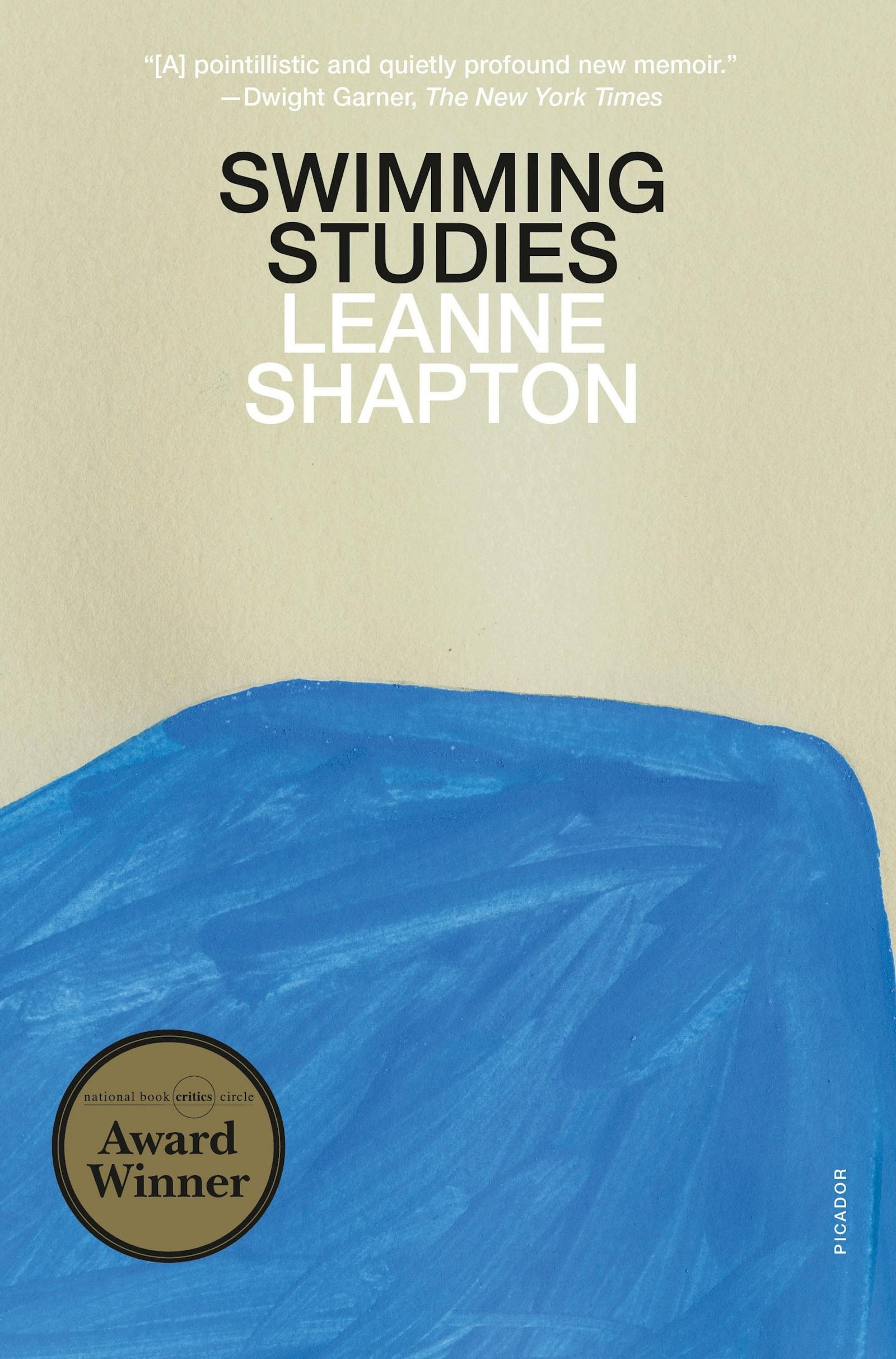
The linked Picador paperback was published in 2025, ISBN 9781250290670. These excerpts come from a separate 2012 edition, so page numbers and wording may differ in the paperback.
The reading in each LitFever video uses a cast narrator. It is not a sample of an official audiobook.
Keep the feeling, find the book
What stayed with you after you stopped competing? Explore the paperback through the edition link below.
From the book
Passages from the edition identified above. Source locations appear with each excerpt.
Before Dawn
Our reading: Shapton presents discipline through bodily reluctance rather than triumph. The movement from anticipated pain to the temporary shelter of the car is what makes this ordinary journey revealing: the swimmer is committed without feeling invincible.
The hour between four and five a.m. is dreadful, especially in the dead of Canadian winter. Knowing I have to get into a chilly, overchlorinated pool and endure two hours of unrelenting muscle pain makes it worse. The hour is redeemed by the quiet, the bluish-blackness out the window, less menacing than midnight dark. I ride, next to my mother, through our suburban streets, bundled into a team parka, listening to the tires squeak over the packed snow.
Leanne Shapton, Swimming Studies, Penguin Group, 2012, ISBN 9780399158179; source PDF page 91 (not the printed page of the linked 2025 edition). · verified verbatim
Water to Ink
Our reading: Water-marked hands become ink-marked hands: Shapton makes a career change physical. Repetition and anxiety survive the change of activity. The passage complicates the idea of simply leaving an athletic life behind.
My fingers used to be pruney, from being in water. Now they’re ink- stained. I replace my laps with stacks of sketches, and my teenage dread of workout with my adult dread of bad work. I fill sketchbooks with repetitive studies, happy only when the last page is finished and I can look back, pick out the handful of good pieces.
Leanne Shapton, Swimming Studies, Penguin Group, 2012, ISBN 9780399158179; source PDF page 203 (not the printed page of the linked 2025 edition). · verified verbatim
Names become times
Our reading: The sentence turns competitors into measurements without making their faces disappear. Shapton shows how training can change what a person notices about other people.
When I swam, I always saw familiar faces in my heats, but I knew them by their times—in descending tenths and hundredths of seconds—as much as by their names.
Leanne Shapton, Swimming Studies, Penguin Group, 2012, ISBN 9780399158179; source PDF page 28 (not the printed page of the linked 2025 edition). · verified verbatim
Doubt
Our reading: The repeated breath-and-stroke rhythm makes training feel mechanical before the Olympic thought interrupts it. Rejecting that thought does not resolve it: the swimmer keeps following a routine while questioning its destination.
My arms hurt, legs hurt, lungs hurt, and I think, grimly: What for? I’m fed up with the steady pain, the mechanical cycle of breathe-pull-pull-breathe-pull-pull, and the dull gray noise of churning water. Then it comes to me, gently, in a quiet flash: I am not going to go to the Olympics. I will not be going. Not me. I fight off the thought, crumpling it in my head as negative and defeatist.
Leanne Shapton, Swimming Studies, Penguin Group, 2012, ISBN 9780399158179; source PDF page 36 (not the printed page of the linked 2025 edition). · verified verbatim
After the finals
Our reading: The short fragments narrow attention to food, warmth and silence. Recovery becomes relief from demands, rather than a speech about victory. That quiet aftermath gives this athletic memoir its distinctive perspective.
After the finals at an out-of-town meet, the team would drive to a restaurant for dinner. In the bus on the way to the restaurant these were my thoughts: Not nervous anymore. Going to eat in a restaurant. Can order whatever I want. Tired and do not have to talk. Hair wet clothes warm. Will not have to clean up.
Leanne Shapton, Swimming Studies, Penguin Group, 2012, ISBN 9780399158179; source PDF page 114 (not the printed page of the linked 2025 edition). · verified verbatim
An old skill
Our reading: Shapton can name the training habits that help her work, yet remains uncertain where swimming belongs in adult life. Useful habits and a settled identity are different things here.
The one thing that I am formally trained at is swimming. I’m aware I rely on this training when I’m working, that I know when to push through and when to rest, that I’ve figured out the equivalent of drills, interval training, and performance when I’m on deadline or trying to realize a project. But I don’t know where to put the old skill, if I can, or even want to, incorporate it into my adult life.
Leanne Shapton, Swimming Studies, Penguin Group, 2012, ISBN 9780399158179; source PDF page 217 (not the printed page of the linked 2025 edition). · verified verbatim
Get Swimming Studies
Werbung
Werbung — this page contains affiliate links. If you buy through them I may earn a small commission, at no extra cost to you.
As an Amazon Associate I earn from qualifying purchases.
Explore the Picador paperback on AmazonPicador paperback, ISBN 9781250290670. Our source page numbers refer to the supplied 2012 edition.Visuals are AI-generated.